No. Fractify is clinical decision support. It produces structured, AI-generated findings from imaging. A qualified clinician must interpret every output and make all medical decisions. AI surfaces. The specialist confirms.
What Is Fractify?
Fractify (aiscan.fractify.net) is a clinical AI diagnostic engine for medical imaging, developed by Databoost Sdn Bhd (Malaysia) and deployed in hospitals and diagnostic centres across Asia and the Middle East. It analyses X-Ray, CT scan, MRI, and dental X-ray images using deep learning — delivering structured diagnostic reports with confidence scores, urgency levels (1–5), Grad-CAM heatmaps, and critical alerts for 7 life-threatening conditions. Fractify achieves 97.9% accuracy in Brain MRI tumour detection and 97.7% accuracy in bone fracture detection. It is a Clinical Decision Support System (CDSS) that augments doctors and radiologists — all findings require physician review and sign-off.
Why the Read Changes Everything
Clinician-Confirmed Findings
AI surfaces the finding. A specialist confirms it. Every output is reviewed by qualified clinicians — augmentation, not replacement.
One Engine. Every Modality.
X-Ray, CT, MRI, Dental — analyzed by a single AI diagnostic engine. Consistent read quality regardless of shift, volume, or location.
Reports Built for Decisions
Schema-based structured outputs: condition, severity, confidence, differentials, follow-up — consistent, auditable, and EHR-ready.
Performance by the Numbers
97.9%
AI Accuracy — Brain MRI
97.7%
AI Accuracy — Bone Fracture
18+
Pathologies Detected — Chest X-Ray
6
Hemorrhage Subtypes — Brain CT
5-Level
Urgency Scoring with Critical Flags
4
Supported Imaging Modalities
What Fractify Does
The intelligence layer between imaging and clinical decision-making. Every scan analyzed with the same rigor — whether it's 3 AM or 3 PM.
Privacy-first • Zero PHI on This Site
Chest X-Ray
Wrist & Bone X-Ray
CT Chest / Lung
CT Brain
Brain MRI
Dental Imaging
Active Platform Capabilities
 Completed
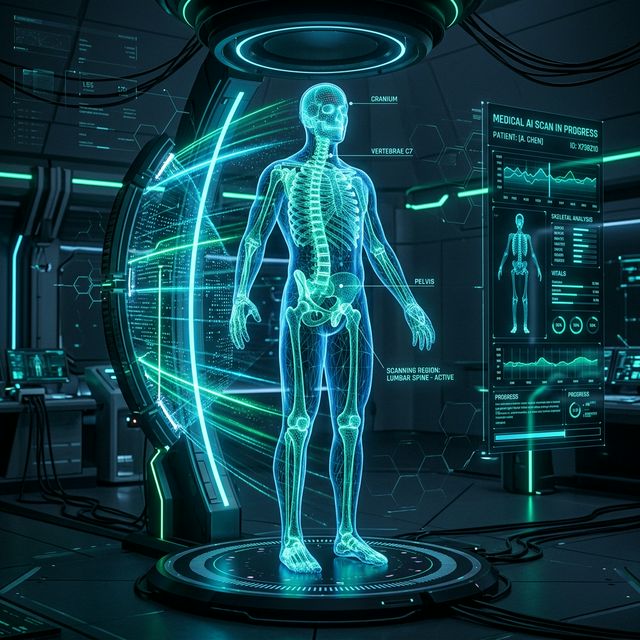
Contextual imaging analysis
The AI reads the scan with full clinical context: demographics, history, medications, and prior imaging. Automated change detection flags what's different since the last study.
 Completed
AI radiology assistant
Case-locked clinical support. Interprets only on-screen diagnostic data — focused, auditable assistance for the finding in front of you.
 Completed
Disease progression tracker
Visual timeline of clinical change over consecutive studies. Flags deterioration before it becomes critical.
 Completed
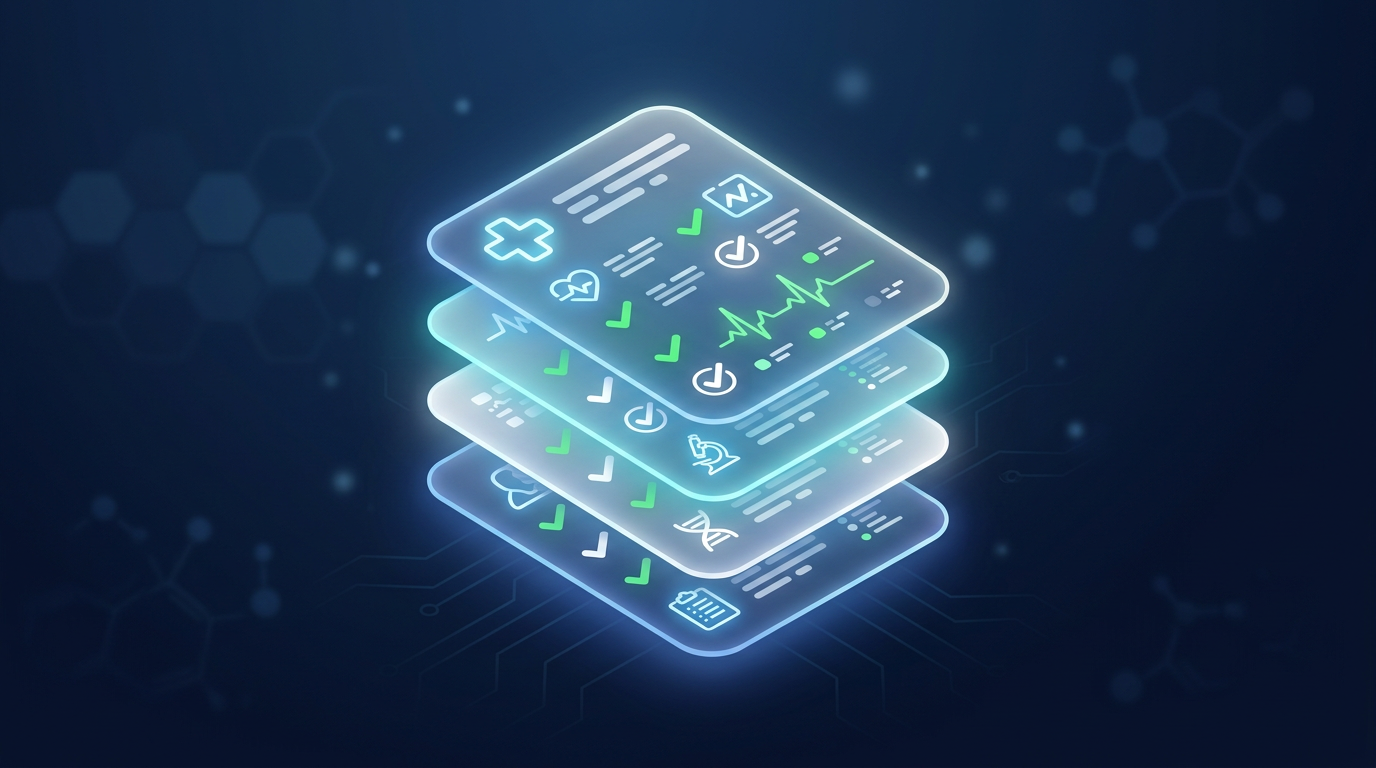
Diagnosis summary
Key finding, differentials, severity, red-flags — one structured view. The same rigor, every time.
 Completed
Treatment plan recommendations
Evidence-aligned options. Urgency levels. Specific referral paths. Follow-up intervals.
 Completed
Preventive risk insights
Risk prediction for conditions not yet diagnosed. Protective actions surfaced before the clinical window closes.
1
3
4
5
Completed
Urgency-scored critical alerts
Every report carries a 1–5 urgency score. At level 4 or 5, a critical banner lists mandatory flags — Tension Pneumothorax, Acute Hemorrhage, Aortic Dissection, and more.
DICOM series support
Native .dcm file upload. Upload 3 or more DICOM slices and the system enters series mode — representative slice for AI, full montage for clinician review.
Future Expansion (Coming Soon)
 Coming soon
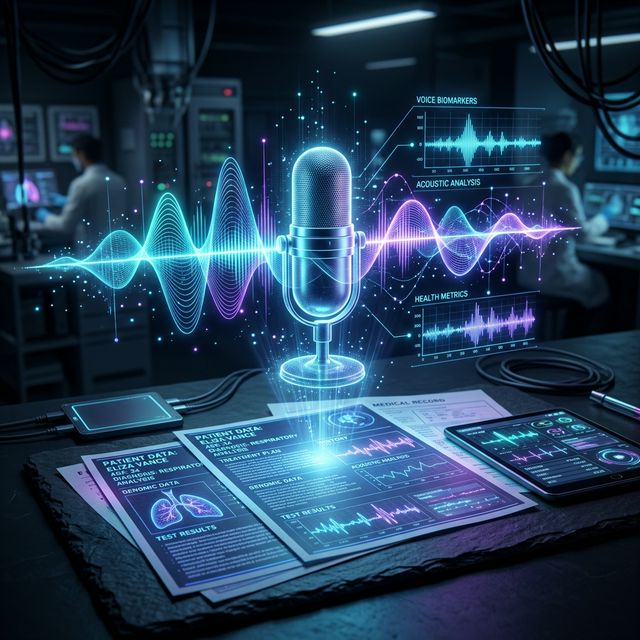
Voice-to-Text Clinical Dictation
Doctors speak their clinical notes directly into the workflow. AI transcription merges dictation into the structured report for direct EHR export.
 Coming soon
Patient-Facing "Layman" Summaries
Auto-generated patient-friendly reports that translate clinical findings into clear, compassionate language. The patient understands what the doctor found.
Coming soon
Clinic-Wide Analytics Dashboard
Population health metrics and AI screening efficiency at institution scale. The numbers that prove ROI to the board.
Coming soon
EHR & PACS integration
One-click import from PACS. Structured reports pushed to your EHR. HL7/FHIR-ready.
Coming soon
One-click PDF export
Server-side PDF generation. Clean, print-ready clinical layout — ready for referrals, patient files, and insurance submissions.
Coming soon
Expanded imaging coverage
Knee MRI, spine MRI, abdominal CT, lateral chest X-ray — extending specialist AI to the remaining high-volume imaging pathways.
Coming soon
Collaborative annotations
Share cases securely. Annotate together. Escalate to subspecialists with integrated chat and a complete clinical audit trail.
Coming soon
Tele-Radiology Bridge
One-click secure sharing of complex cases to external subspecialists. Bridge the last-mile gap in remote diagnostic access.
Coming soon
Mobile point-of-care capture
Point-and-shoot upload from any mobile device — from the bedside, clinic floor, or remote site. No PACS required.
Outputs are decision support for clinicians and do not replace professional medical advice.
How Fractify Works
Enter Clinical Context
Patient demographics, history, and study details — so the AI interprets imaging with full situational awareness, not in a vacuum.
Upload the Scan
X-Ray, CT, MRI, or dental imaging — JPEG, PNG, or DICOM. One upload. One engine.
AI Diagnostic Review
Two-stage AI pipeline: a specialist detection model runs first, then a structured report engine combines those findings with clinical context — in seconds.
Clinician Confirms
A qualified clinician reviews the AI output and decides next steps. The AI surfaces. The specialist confirms.
Built for Healthcare Institutions
Enterprise-grade security, access control, and compliance — deployed within your own infrastructure.
6-Tier Role-Based Access Control
Viewer, Doctor, Radiologist, Hospital, Supervisor, Admin — each role carries exactly the permissions it needs.
TOTP 2FA with Backup Codes
Two-factor authentication for all users. 8 one-time backup codes generated on setup. Brute-force protection included.
Immutable Audit Trail
Every action logged with user ID, IP address, resource, and timestamp. Full CSV export available.
Multi-Tenant Hospital Isolation
Each hospital sees only its own patient records. Built for multi-site deployments.
GDPR Right-to-Be-Forgotten
Admin-triggered anonymization wipes all PII fields while preserving clinical statistics for audit integrity.
Active Session Management
View all active logins by device, IP, and last-seen. Any session can be remotely revoked. Password changes invalidate all other sessions.
Second Opinion Workflow
Clinicians flag any report for second opinion. Admins claim, review, and resolve with assignment tracking and status history.
Doctor Dashboard & Statistics
Post-login landing page with studies-today count, pending second opinions, critical cases, and quick-action shortcuts.
Meet the Team

Tarek Barakat
CEO & Founder
PhD Researcher in AI Medical Imaging & Software Development Lead

Mohd Rizam
Co-Founder & CTO
Software Architecture & Healthcare Innovation

Dr. Ammar Bathich
Distinguished Advisor
Artificial Intelligence & Digital Transformation
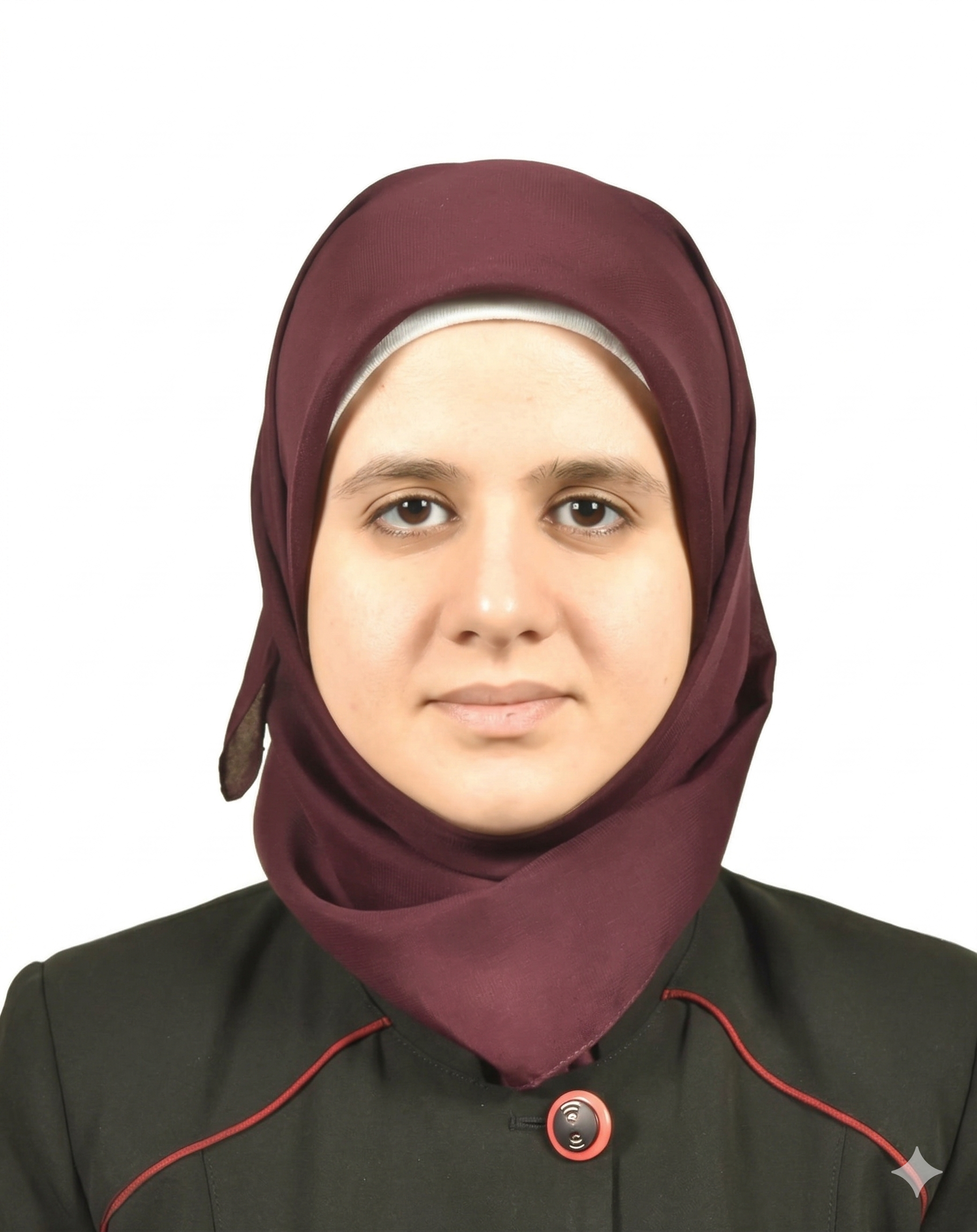
Dr. Safaa Naes
Distinguished Advisor
Medical Sciences & Molecular Medicine
Who Built This — and Why You Can Trust It
Fractify is developed by Databoost Sdn Bhd. It is clinical decision support — not an autonomous diagnostic system and not a replacement for the clinician in the room. The founding team combines PhD-level AI medical imaging research with production software engineering. Distinguished advisors span artificial intelligence, digital transformation, and molecular medicine. The product exists because the team knows the problem firsthand.
This website does not collect patient health information. Enterprise deployment, data governance, and regulatory compliance remain the responsibility of each institution. The clinical application ships with enterprise-grade security: RBAC, 2FA, audit logging, and GDPR anonymization built in. For commercial inquiries: info@fractify.net.
Frequently Asked Questions
X-Ray (chest and wrist/bone), CT (chest/lung and brain), MRI (brain), and dental imaging. Each modality uses a dedicated structured report with modality-specific fields.
Schema-based structured outputs: repeatable fields for condition, severity, confidence, differentials, follow-up guidance, and modality-specific sections. Consistent. Auditable. EHR-ready.
Yes. When Arabic is selected, the AI engine returns all free-text fields in Arabic and the report interface switches to full right-to-left layout with Arabic typography.
Yes. When prior visit records exist for the same patient, the pipeline includes a prior-visit comparison — flagging stable, improved, or worsened status. A side-by-side comparison view with AI-generated visual diff is also available.
No. This site only accepts optional contact messages. It is not intended for PHI. Clinical application deployment, data governance, and regulatory compliance remain the responsibility of each institution.
Upload the imaging file and enter clinical context — demographics, history, study date, area of concern, medications. The more context provided, the more grounded the AI report.
Deep one-click EHR/PACS integration is on the product roadmap. Today, teams typically export or copy structured outputs into existing workflows. HL7/FHIR-ready integration is planned.
Fractify is an AI clinical diagnostic engine that analyzes medical imaging — X-Ray, CT, MRI, and Dental — and generates structured, clinician-reviewed reports with urgency scoring, per-finding confidence, and treatment guidance. Built by Databoost Sdn Bhd.
Clinicians enter patient context, upload imaging, and Fractify's two-stage AI pipeline runs a specialist detection model followed by a structured report engine — returning findings, confidence scores, urgency score, and differentials in seconds. A qualified clinician then reviews and confirms the output.
Diagnostic quality has always been rationed by geography, shift timing, and institutional size. Training a radiologist takes 13 years and the global shortage is measured in hundreds of thousands. The constraint is not headcount — it is the assumption that every imaging read requires a dedicated specialist as a first-pass gatekeeper. Fractify removes that assumption. The scan has always contained the answer. Now it always gets one.
Yes. The platform accepts standard .dcm DICOM files. When 3 or more DICOM files are uploaded, the system automatically enters series mode — selecting the diagnostically representative slice for AI analysis while displaying a full-series montage for the clinician.
6-tier role-based access control, TOTP two-factor authentication with backup codes, an immutable audit log of every user action, multi-tenant hospital data isolation, GDPR-compliant anonymization, active session management with remote revocation, API rate limiting, CSRF protection, and secure file storage outside the web root.
Yes. Every report includes a 1–5 urgency score. At level 4 or 5, a prominently displayed critical banner lists mandatory flags — including Tension Pneumothorax, Acute Hemorrhage, Aortic Dissection, Large Pulmonary Embolism, Herniation with Midline Shift, Acute Ischemic Stroke, and Cardiac Tamponade.
Yes. The platform is built for multi-tenant deployments. Each hospital's data is fully isolated — clinicians only see records from their own institution. Supervisor and Admin roles have cross-institution visibility. Hospital management, user provisioning, and role assignment are all handled from the Admin panel.
Cloud SaaS plans start at $299/month. On-premise hospital deployment is available from $15,000 (one-time). API access is priced from $0.25/scan for integration into existing PACS or HIS systems. A 14-day free clinical trial is available for verified hospitals, diagnostic centres, and clinics — contact info@fractify.net to begin.
Yes. A 14-day free clinical trial is available for verified hospitals, diagnostic centres, and individual clinicians. No credit card is required during the trial. Contact info@fractify.net with your institution name and specialty to get access.
Yes. Fractify AIScan is available for Android and iOS. Doctors can upload and analyse X-ray, CT, MRI, and dental scans from any smartphone — with push notifications for critical findings (urgency 4–5), patient history access, doctor notes, GPT-4o report translation, and second opinion request functionality.